
Introduction
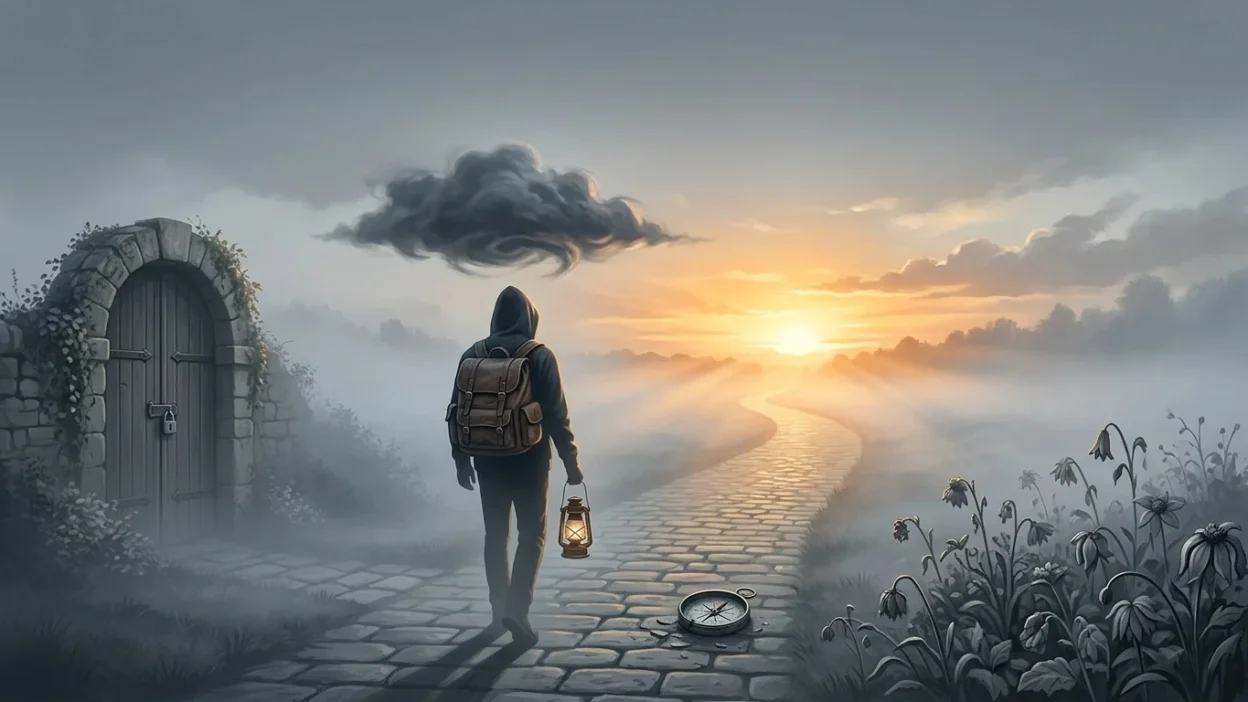
Depression can be difficult to describe because it affects thoughts, emotions, and energy in ways that ordinary words often cannot capture. That’s why writers often use metaphors to express these experiences more vividly. A metaphor compares one thing to another without using the words like or as. Instead of saying, “Depression feels like a heavy weight,” a metaphor says, “Depression is a heavy backpack.”
In simple terms, metaphors help readers imagine emotions through familiar images. They make stories, poems, and personal writing more engaging while helping readers connect with the writer’s message. If you’re learning creative writing, studying metaphors is a great way to improve your descriptive skills.
In this guide, you’ll explore 20 metaphors for depression, learn what they mean, see examples of metaphors in context, and practice identifying and creating your own.
What Is a Metaphor?
A metaphor is a figure of speech that directly describes one thing as another to create a stronger image or idea.
Example:
Depression is a dark cloud.
This doesn’t mean depression is literally a cloud. It suggests that it can make life feel gloomy and difficult.
20 Metaphors for Depression
1. Depression is a Dark Cloud
Meaning: Feeling surrounded by sadness.
Explanation: A dark cloud symbolizes gloom and emotional heaviness.
Examples:
- A dark cloud followed every joyful moment.
- The dark cloud made each day feel harder.
2. Depression is a Heavy Backpack
Meaning: Carrying emotional burdens.
Explanation: A heavy backpack represents weight that is difficult to carry.
Examples:
- Every step felt heavier with the backpack.
- The invisible backpack never seemed lighter.
3. Depression is a Deep Pit
Meaning: Feeling trapped.
Explanation: A pit suggests difficulty climbing out.
Examples:
- The pit seemed impossible to escape.
- Some days the pit felt deeper than before.
4. Depression is a Thick Fog
Meaning: Mental confusion.
Explanation: Fog blocks vision and clarity.
Examples:
- The fog covered every clear thought.
- Decisions disappeared inside the fog.
5. Depression is an Endless Night
Meaning: Feeling that hope is far away.
Explanation: Night symbolizes darkness and uncertainty.
Examples:
- The night seemed never-ending.
- Morning felt far away.
6. Depression is a Locked Room
Meaning: Feeling isolated.
Explanation: A locked room represents separation.
Examples:
- The room had no visible door.
- Silence filled the room.
7. Depression is a Broken Compass
Meaning: Feeling lost.
Explanation: A broken compass cannot show direction.
Examples:
- The compass pointed nowhere.
- Every path felt uncertain.
8. Depression is a Winter Without Spring
Meaning: Feeling emotionally frozen.
Explanation: Winter symbolizes coldness and stillness.
Examples:
- The season never seemed to change.
- Spring felt far away.
9. Depression is a Silent Storm
Meaning: Internal emotional struggle.
Explanation: Storms can exist even when unseen.
Examples:
- The storm stayed hidden.
- Others couldn’t hear the storm.
10. Depression is a Fading Light
Meaning: Losing energy or motivation.
Explanation: Light often represents hope.
Examples:
- The light grew dimmer.
- Only a faint glow remained.
11. Depression is a Maze
Meaning: Feeling confused.
Explanation: A maze is difficult to navigate.
Examples:
- Every turn looked the same.
- The maze had no easy exit.
12. Depression is an Anchor
Meaning: Feeling held back.
Explanation: Anchors prevent movement.
Examples:
- The anchor kept progress slow.
- It felt impossible to move forward.
13. Depression is a Shadow
Meaning: A constant emotional presence.
Explanation: Shadows quietly follow.
Examples:
- The shadow stayed close.
- It appeared even on bright days.
14. Depression is a Wilted Garden
Meaning: Loss of joy.
Explanation: A neglected garden loses its beauty.
Examples:
- The garden stopped blooming.
- Color slowly disappeared.
15. Depression is an Empty House
Meaning: Feeling emotionally empty.
Explanation: An empty house lacks warmth.
Examples:
- The house echoed with silence.
- Every room felt vacant.
16. Depression is a Slow River
Meaning: Feeling stuck.
Explanation: Slow rivers move with little energy.
Examples:
- Time drifted slowly.
- The current barely moved.
17. Depression is a Heavy Blanket
Meaning: Feeling weighed down.
Explanation: A blanket can symbolize emotional heaviness.
Examples:
- The blanket made every task harder.
- It felt difficult to rise.
18. Depression is a Fading Echo
Meaning: Losing connection with emotions.
Explanation: Echoes gradually disappear.
Examples:
- Happiness became a fading echo.
- Laughter sounded distant.
19. Depression is a Closed Window
Meaning: Feeling disconnected from the outside world.
Explanation: A closed window limits connection.
Examples:
- The window stayed shut.
- Fresh air felt far away.
20. Depression is a Long Tunnel
Meaning: Feeling that the end is difficult to see.
Explanation: Tunnels can represent challenging journeys.
Examples:
- The tunnel stretched ahead.
- Each step searched for light.
Practical Exercise
Questions
- What is a metaphor?
- Complete: Depression is a dark ______.
- Which metaphor represents confusion?
- Which metaphor suggests emotional weight?
- Which metaphor represents feeling trapped?
- Complete: Depression is a broken ______.
- Which metaphor symbolizes isolation?
- What does “Depression is a fading light” suggest?
- Complete: Depression is a long ______.
- Write your own metaphor describing a difficult emotion.
Answers
- A comparison without using like or as.
- Cloud.
- A thick fog or a maze.
- A heavy backpack or a heavy blanket.
- A deep pit.
- Compass.
- A locked room or an empty house.
- It suggests losing hope or motivation.
- Tunnel.
- Answers will vary. Any original metaphor that clearly compares an emotion to something else is correct.
Conclusion
Metaphors are one of the most powerful tools in creative writing. They help writers describe complex emotions with vivid, memorable images that readers can easily understand. In this article, you explored examples of metaphors, learned the meaning of metaphors, and practiced identifying them in context.
As you continue writing, try creating your own metaphors for different emotions, experiences, or ideas. With regular practice, you’ll discover how to use metaphors in writing to make your stories, poems, and essays more expressive, engaging, and meaningful.

Gabriel Hudson is a skilled language writer and figurative language enthusiast at Metaphorox.com. He specializes in metaphors, similes, and idioms, creating engaging content that helps readers understand creative expressions and communicate more effectively.